
Serious Games vs Corporate Team Building Activities
Fun is not development. Observable behaviour data is.
Short answer: Team building activities, the cooking challenges, escape rooms, and outdoor team building games for employees, build rapport, morale, and social connection. They are designed for everyone to win, so they rarely surface real behaviour. Serious games are designed to do the opposite: create pressure that reveals how people actually lead, decide, and collaborate, then turn that observed data into measurable behaviour change through a facilitated debrief. Use team building for connection; use serious games when the outcome you need is behaviour that lasts.
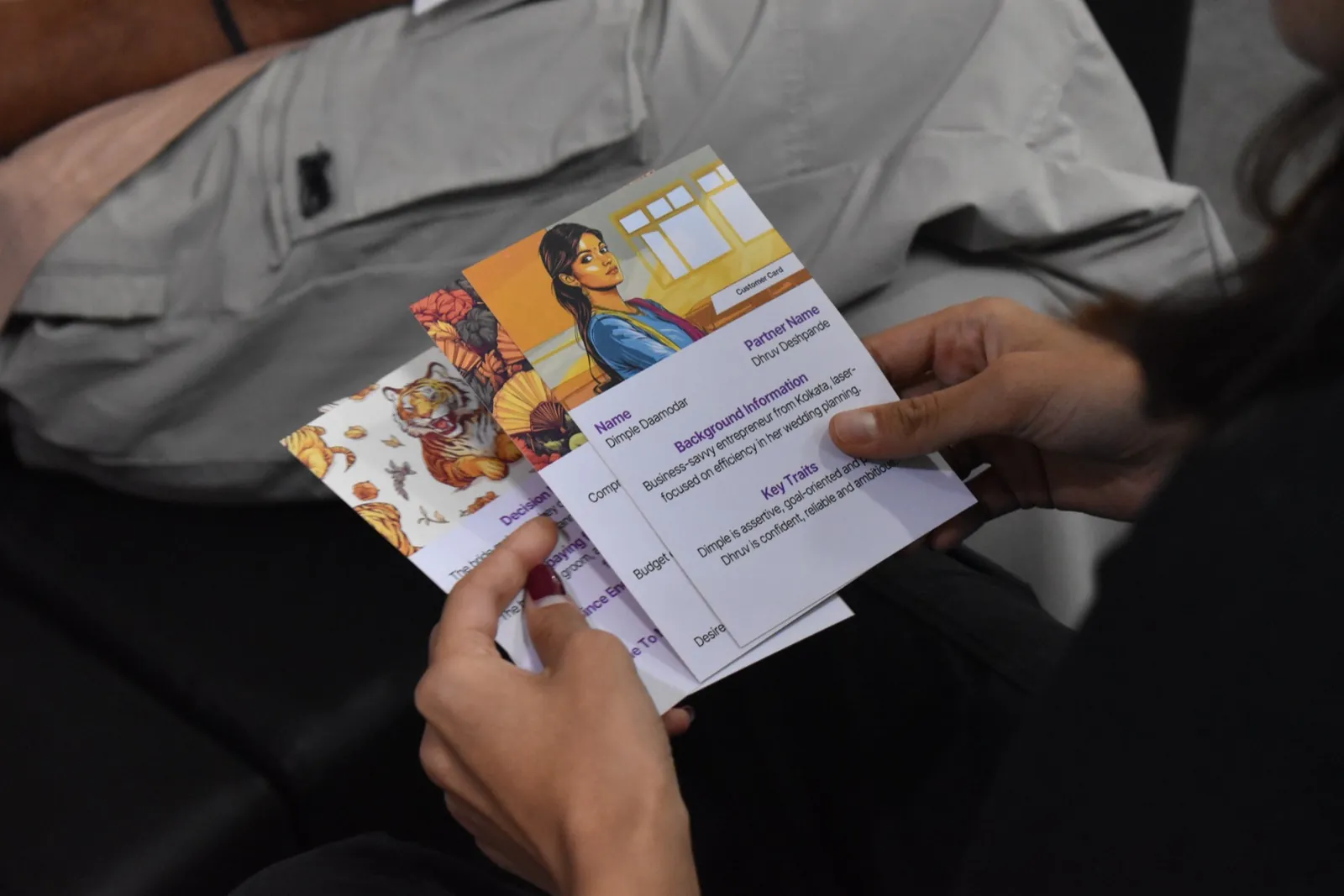
Key takeaways
| Dimension | Team building activities | Serious games |
|---|---|---|
| What it is | Shared fun experiences, designed for everyone to win | A decision environment designed to surface real behaviour under pressure |
| Best for | Morale, rapport, breaking down silos, social connection | Leadership, collaboration, decision-making and conflict under ambiguity |
| What it measures | Nothing specific, the honest takeaway is "it was fun" | Observable behaviour data tied to specific moments in the game |
| Lasting behaviour change | Low, dynamics reset by Monday | High, when the debrief converts observation into commitments |
| When to use | You want a genuine, enjoyable day together | Your challenge is behavioural, not social |
Team building activities work well for...
Morale, social bonding, and the temporary loosening of hierarchy. Team building activities, cooking challenges, escape rooms, outdoor adventure programmes, scavenger hunts, sporting events, serve a genuine organisational purpose. They create shared experiences that build informal connection across teams. They give people who interact primarily through screens and meeting agendas a chance to see each other as human beings rather than job titles. In India's often siloed corporate environments, particularly in large GCCs and manufacturing organisations where cross-functional interaction is limited, a well-designed team outing can improve the social fabric in ways that have real downstream effects on collaboration.
Team building is also legitimate as a morale investment, showing employees that the organisation values their time together, invests in their collective experience, and considers culture worth the budget line.
 Where it falls short for leadership development
The problem is that morale is not development. A team that spends a day doing a cooking challenge together may leave feeling more connected. They will not leave with new observable data about how they collaborate under resource constraints, how they make decisions under ambiguity, or how the structural tension between their business functions gets managed when no one is watching the facilitator for cues.
Team building activities are typically designed to produce success. The cooking challenge is calibrated so that most teams finish the dish. The escape room has a solution. The trust exercise works when people follow the instructions. This design philosophy is the problem: it systematically removes the conditions under which leadership behaviour actually surfaces. No one's real patterns show up in an environment designed for everyone to win.
More specifically, team building produces no data. There is nothing to debrief. When the activity ends, the facilitator can ask participants what they learned, but the honest answer is usually "it was fun" or "we worked well together today", statements that feel good but do not point to any specific leadership behaviour that can be built on or changed. The experience evaporates. By the following Monday, the dynamics that were present before the outing are back in full operation.
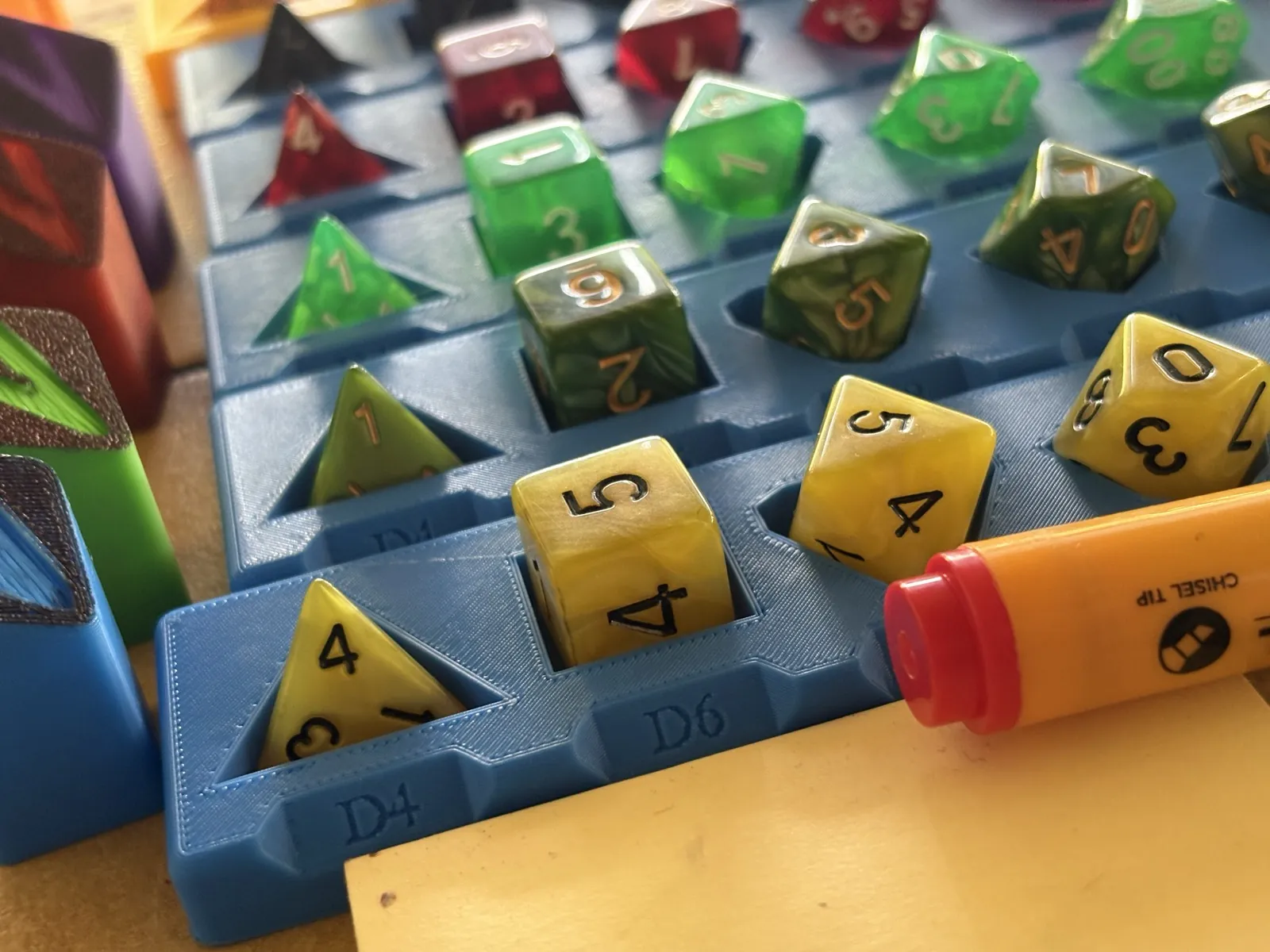
 What serious games do differently
Serious games generate data. That is the foundational difference. When participants play Planetfall or Sticky Fingers, the game creates situations where leadership behaviour becomes visible in real time, who takes initiative, who avoids decisions, who optimises for their team's metrics at the expense of the collective, who surfaces the truth when the group is moving confidently in the wrong direction.
This behaviour is not performed for the facilitator. It emerges from the pressure the game creates. And because it is visible, to me, to participants, and sometimes most uncomfortably to participants themselves, it becomes something that can be examined, discussed, and connected to the actual challenges the team faces at work.
The data serious games produce is qualitative but specific. Not "we collaborated well" but "in round three, when the resource constraint appeared, three people proposed solutions and the group dismissed all of them before any were fully heard, and the decision that was made proved to be the least effective option available." That is a conversation that can lead somewhere. That is the beginning of genuine development.
The facilitation difference
The debrief makes the difference, and the debrief requires someone who was in the room reading what happened as it unfolded. I design and facilitate every session personally, which means I arrive at the debrief with a full observation of what actually occurred during the game. Not what participants intend to report about their behaviour. What actually happened.
This is where serious games part company most clearly from team building activities. A team building facilitator's job ends when the activity ends, the fun was the point. A serious game debrief is where the developmental value concentrates. I spend as much time on the debrief as on the game itself, sometimes more. The questions I ask are built on specific moments: a particular decision in round two, a dynamic that emerged between two participants in the negotiation phase, the moment when the group's stated strategy diverged completely from its actual behaviour.
Participants leave with specific observations about their own patterns under pressure, not general feelings about how the day went. That specificity is what enables behavioural commitments that survive past the event itself.
 The bottom line
If your team needs social connection and morale improvement, invest in team building. It does what it promises. If you need people to genuinely enjoy a day together outside the office, that is a legitimate use of your L&D budget and there is nothing wrong with it.
But if your challenge is behavioural, collaboration that breaks down under pressure, leadership that goes quiet when stakes rise, decision-making that is inconsistent or conflict-averse, team building will not move those needles. Fun does not address the structural patterns that produce dysfunctional behaviour. Data does. Observation does. A debrief built on what actually happened does.
If the outcome you need is behaviour change, bring serious games.

Related reading
- Serious games for leadership development: the complete guide
- Decision Labs: turning game decisions into behavioural data
- Serious games vs gamification: which drives behaviour change
Frequently asked questions
Are serious games better than team building activities?
They do different jobs. Team building activities are better for morale, rapport, and social connection. Serious games are better when you need measurable behaviour change, because the game produces observable data about how people lead, decide, and collaborate under pressure. If your goal is a good day out, team building wins. If your goal is behaviour that survives past Monday, serious games win.
Can team building games change behaviour?
Most team building games are designed for everyone to win, so they build rapport but produce little to debrief and rarely change behaviour. Lasting change needs a facilitated debrief built on what actually happened in the room. Serious games are designed to surface real patterns under pressure, then turn them into specific behavioural commitments.
Which is better for corporate teams: team building or serious games?
Use team building activities for employees when the need is connection, morale, or breaking down silos. Use serious games when the challenge is behavioural: collaboration that breaks under pressure, leaders who go quiet when stakes rise, or inconsistent decision-making. The two are complementary, not interchangeable.