
Serious Games vs Corporate Team Building Activities
Fun is not development. Observable behaviour data is.
Short answer: Team building activities - the cooking challenge, the escape room, the outdoor team building games for employees - build rapport, morale and social connection. They are designed so that everybody wins, which is a lovely thing to design for and the exact reason they never surface real behaviour. Serious games are built to do the opposite. Make the pressure real, watch how people actually lead and decide and collaborate, then turn what was observed into change through a proper debrief. Use team building when you want connection. Use a simulation when you want behaviour that survives the week.
"Team building buys you a good day. A serious game buys you the awkward truth about how your team actually works, and something to do about it."
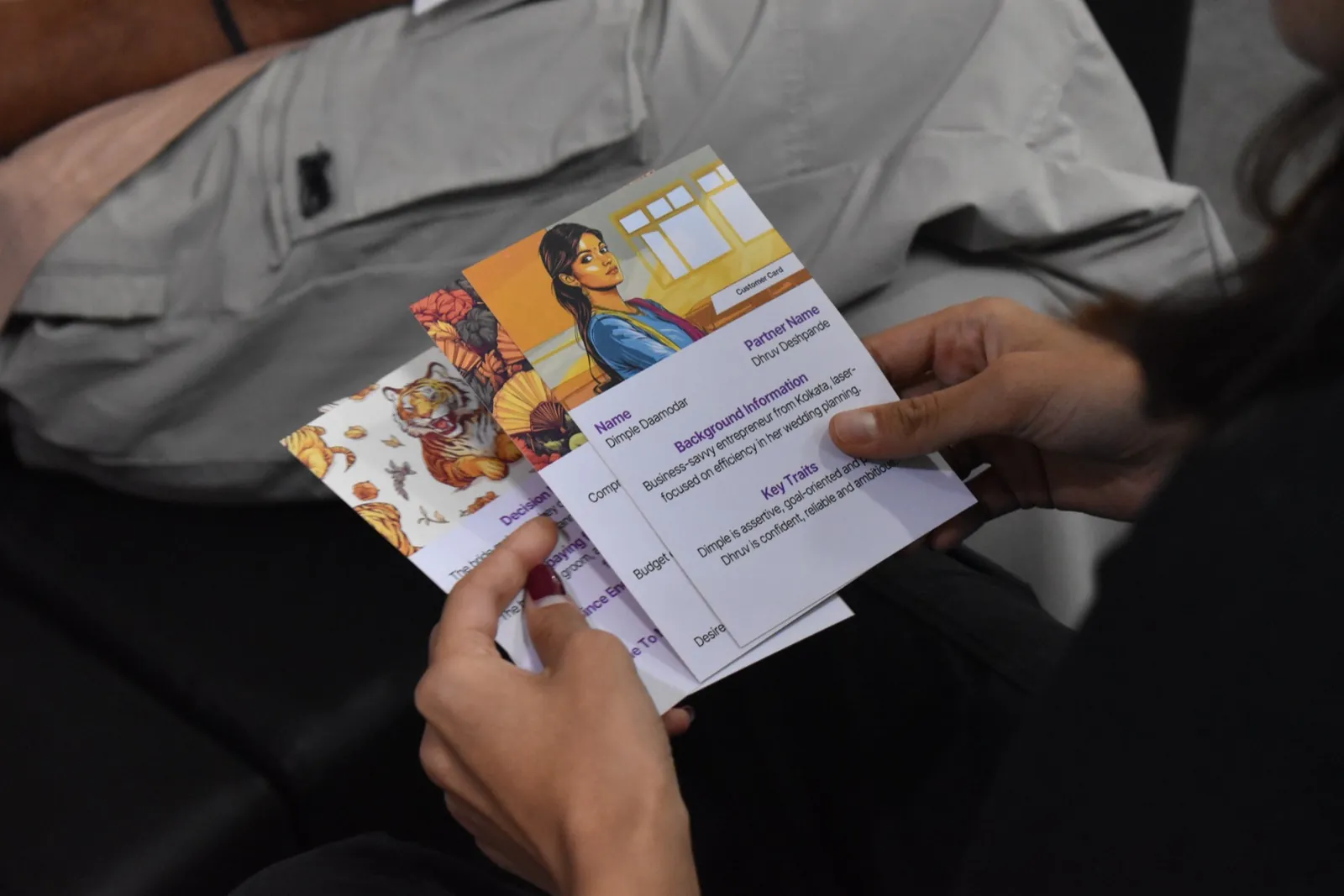
Key takeaways
| Dimension | Team building activities | Serious games |
|---|---|---|
| What it is | Shared fun experiences, designed for everyone to win | A decision environment designed to surface real behaviour under pressure |
| Best for | Morale, rapport, breaking down silos, social connection | Leadership, collaboration, decision-making and conflict under ambiguity |
| What it measures | Nothing specific, the honest takeaway is "it was fun" | Observable behaviour data tied to specific moments in the game |
| Lasting behaviour change | Low, dynamics reset by Monday | High, when the debrief converts observation into commitments |
| When to use | You want a genuine, enjoyable day together | Your challenge is behavioural, not social |
Team building activities work well for...
Morale, social bonding, and letting the hierarchy go soft for an afternoon. And I mean this. Cooking challenges, escape rooms, outdoor adventure, scavenger hunts, the annual cricket match - they do a real job. People who only ever meet each other through a calendar invite get to see each other as human beings for a day. In Indian corporate life, especially in big GCCs and manufacturing companies where two functions can sit on the same floor for years without speaking, a good outing genuinely improves the social fabric. That shows up later in how easily people pick up the phone.
It's also a perfectly honest morale investment. It tells your people the company thinks time together is worth spending money on. Nothing wrong with that at all.
There are three moments when it is clearly the right buy. A new team that has no informal relationships yet. A team that has just been through something rough and needs reminding that they like each other. A team that hit a milestone and deserves a day that is purely a reward and not secretly development.
 Where it falls short for leadership development
I think the offsite budget gets muddled right about here. Morale is not development. A team that spends a day cooking together goes home feeling closer. They do not go home with a single new piece of information about how they collaborate when there isn't enough budget, how they decide when nobody knows the answer, or what happens between two functions when the facilitator isn't looking.
Team building activities are built to succeed. The cooking challenge is calibrated so almost everybody finishes the dish. The escape room has a solution. The trust exercise works if people follow the instructions. That is the whole design philosophy, and it is also the problem. It removes every condition under which leadership behaviour shows up. Nobody's real pattern appears in a room engineered for everyone to win.
Put it another way: comfort is the product. Any team building day where somebody walks out uncomfortable or exposed has failed at its own brief. That's not a criticism, it's just what you're buying.
Which leaves you with nothing to debrief. The facilitator asks what people learned, and the honest answer is "it was fun" or "we worked well together today". Both true. Neither points at a single behaviour anybody could change. So the day evaporates, and by Monday the dynamics that were there before the outing are back at their desks, fully operational, well rested.
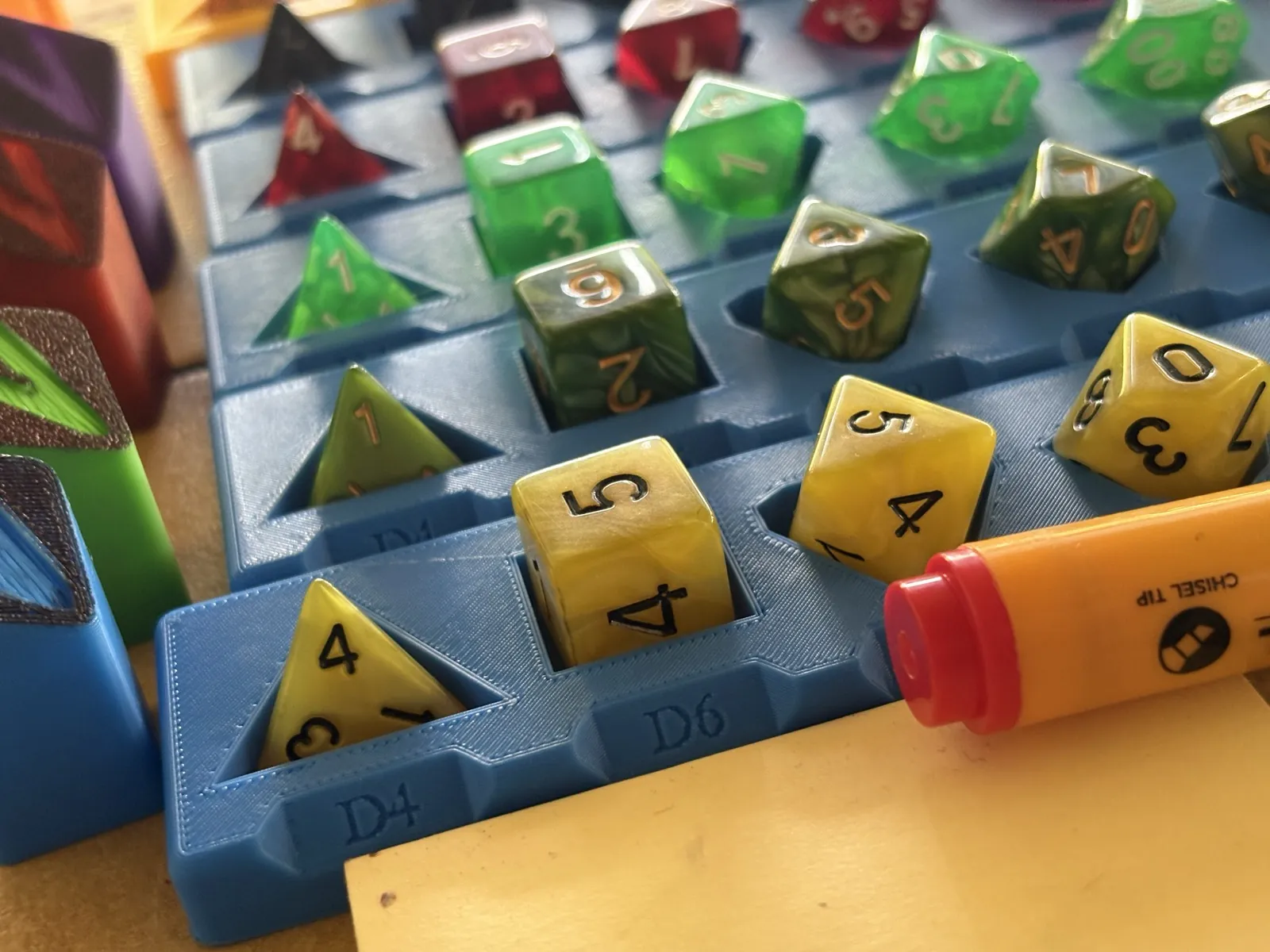
 What serious games do differently
They generate data. That's the whole difference, and everything else follows from it. Put a group into Planetfall or Sticky Fingers and behaviour becomes visible in real time. Who takes initiative. Who avoids the decision and calls it consultation. Who quietly optimises for their own numbers at the collective's expense. Who says the awkward thing while the group is marching confidently toward a cliff.
None of it is performed for me. It comes out of the pressure the game makes. And because it's visible - to me, to their colleagues, and occasionally, painfully, to the person themselves - it becomes something you can actually put on the table and talk about.
A good session produces some discomfort. People see themselves from an angle they don't get at their desk. They watch a colleague do something that suddenly explains eighteen months of friction. I manage that carefully, and I do not remove it. The small horror of recognising yourself is where the insight lives. A session everybody leaves entirely comfortable from has probably surfaced nothing.
The data is qualitative but very specific. Not "we collaborated well". More like: "in round three, when the budget got cut, three people offered a solution, the group talked over all three before any of them was finished, and the option you went with turned out to be the worst one available." That's a conversation that goes somewhere. That is where development starts.
The facilitation difference
The debrief is where it all lives, and a debrief needs somebody who was in the room reading it as it happened. I design and run every session myself, so I arrive at the debrief holding what actually occurred - not what people plan to tell me about themselves afterwards.
This is where the two things part company completely. A team-building facilitator's job ends when the activity ends, because the fun was the point. My job starts there. I spend as long on the debrief as on the game, sometimes longer. And the questions are built on specific moments. That decision in round two. What happened between two people during the negotiation. The exact minute the group's stated strategy and its actual behaviour stopped being on speaking terms.
The questions sound like this. What did you actually do in that moment, not what you meant to do. What did a colleague do that surprised you. Where does this exact thing happen in your real team.
People leave with something specific about their own pattern under pressure, not a general feeling about how the day went. That specificity is the only reason a commitment survives the drive home.
The mistake I see most often
People buy team building when the team needed a serious game.
It's easy to see why. Team building is easier to commission and much easier to get people to agree to. A team with real conflict and unexamined power dynamics will cheerfully sign up for a fun day out. What they will resist, and what L&D often hesitates to propose, is the thing that would put those dynamics on the table where everyone can see them. So the organisation spends roughly the same money, has a lovely time, and changes nothing.
Can you do both in one day?
Yes, and sometimes that's the smart structure. A bit of warmth early makes the harder work later safer to enter. People who have already laughed together at eleven are more willing to be seen honestly at three. Informal activity in the morning, serious game in the afternoon, works well.
The one rule is to be clear what each half is for. The team building bit is for relationship and energy. The game is for behaviour and insight. Blur them, expect the fun bit to change behaviour or expect the game to be mostly enjoyable, and you get neither.
 The bottom line
If your team needs connection and a lift in morale, buy team building. It does exactly what it says. A good day out together is a perfectly legitimate line in the L&D budget and I'd never talk you out of it.
But if the problem is behavioural - collaboration that folds under pressure, leaders who go quiet when the stakes rise, decisions that keep coming out inconsistent - team building will not touch it. Fun doesn't reach the pattern underneath. Observation does. Data does. A debrief built on what actually happened in the room does.
There is one more way to see it. Team building is bought for people. It's a gift, and their job is to turn up and enjoy it. A serious game asks something of them. They have to engage with a system that pushes back, make real calls under real pressure, and be willing to see themselves and each other clearly.
Connection, buy the outing. Behaviour, bring a serious game. It really is more or less that simple, though most teams end up needing a bit of both across a year.

Related reading
- Serious games for leadership development: the complete guide
- Decision Labs: turning game decisions into behavioural data
- Serious games vs gamification: which drives behaviour change
- How I run the room
Come and see the games Say hello
Frequently asked questions
Are serious games better than team building activities?
They do different jobs. Team building activities are better for morale, rapport, and social connection. Serious games are better when you need behaviour to actually change, because the game produces observable data about how people lead, decide, and collaborate under pressure. If your goal is a good day out, team building wins. If your goal is behaviour that survives past Monday, serious games win.
Can team building games change behaviour?
Most team building games are designed for everyone to win, so they build rapport but produce little to debrief and rarely change behaviour. Lasting change needs a facilitated debrief built on what actually happened in the room. Serious games are designed to surface real patterns under pressure, then turn them into specific behavioural commitments.
Which is better for corporate teams: team building or serious games?
Buy team building when what you need is connection, morale, or two functions finally talking to each other. Bring a serious game when the problem is behavioural: collaboration that folds under pressure, leaders who go quiet when the stakes rise, decisions that keep coming out inconsistent. Most teams need a bit of both across a year.
Can you combine team building and a serious game in one day?
Yes, and it is often the smart structure. Warmth in the morning makes the harder work safer to enter in the afternoon. The thing to get right is being explicit about which half is doing which job, because a day that blurs the two delivers neither.
With love from Bengaluru, this is Arvindh saying over and out.