
Team Building Activities for Managers
You do not need more fun. You need behaviour you can see, name, and carry back to the work.
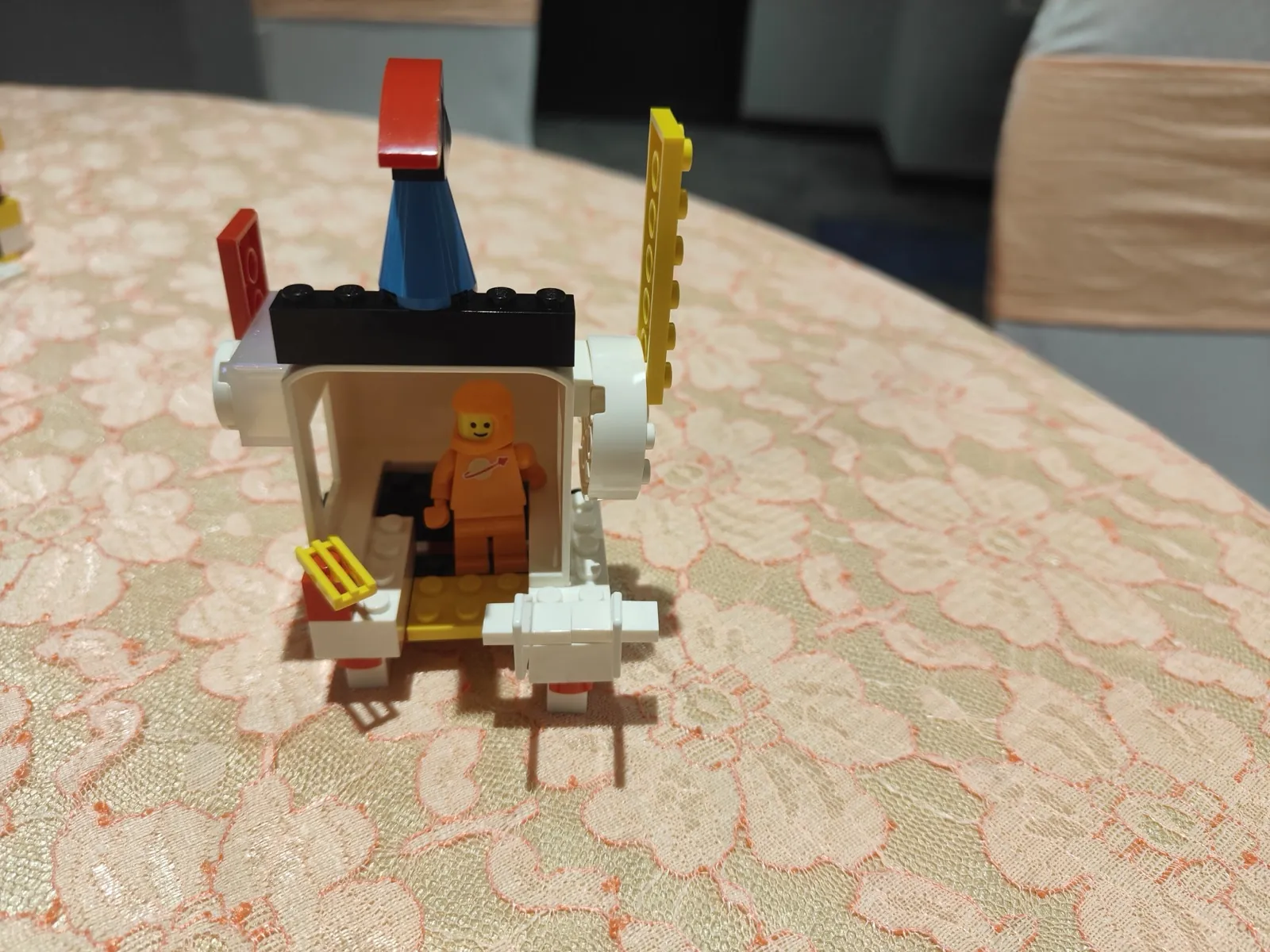
Short answer: the best team building activity for a manager is one that produces real behaviour under pressure and then gets debriefed against your actual work. The activity is the easy half. The change lives entirely in the conversation afterwards. Run something that makes how your team communicates, decides and disagrees visible, then sit down and turn what happened into a principle they've agreed to use on Monday. Skip that bit and you've bought a nice day out. Which is fine, as long as you know that's what you bought.
 Why most corporate team building fails
Most team building chases fun. Everybody laughs at the trust fall. Everybody enjoys the cooking class. Everybody goes home. Tuesday comes. Same meeting habits, same silences, same person doing all the talking. The reason is not complicated. Knowledge transfers, behaviour doesn't. Telling people to collaborate more, or handing out a personality test, gives them knowledge. It changes nothing about what they do when the deadline lands and two of them want different things.
The failure points are boringly predictable. No debrief, so nobody names what happened. No link to real work, so the day sits in its own little box. And the activity was designed to be enjoyable rather than revealing, so it never once surfaced the thing you actually needed to see - who avoids the hard call, who talks over the quiet one. Fun is fine. Fun with no transfer is just a cost with a photo album.
What a manager actually needs from team building
You aren't running an HR event. You are leading your own team, and you need to know how they behave when it gets difficult. Good team building hands a manager three things. A clear view of how the team really operates under pressure. Shared language for naming what works and what doesn't. And a short list of agreements they've actually committed to.
That's leadership data, and no survey will ever give it to you, because a survey collects what people believe about themselves. Which is a different thing entirely from what they do at 4pm with the clock running.
It's also why the sessions worth running are in person. The social dynamics are the data. Who speaks first. Who goes quiet. Who quietly makes the decision while the loud one is still talking. Put that on a video call and it flattens right out. In a room, you get to watch it happen.
Practical team building activities that transfer
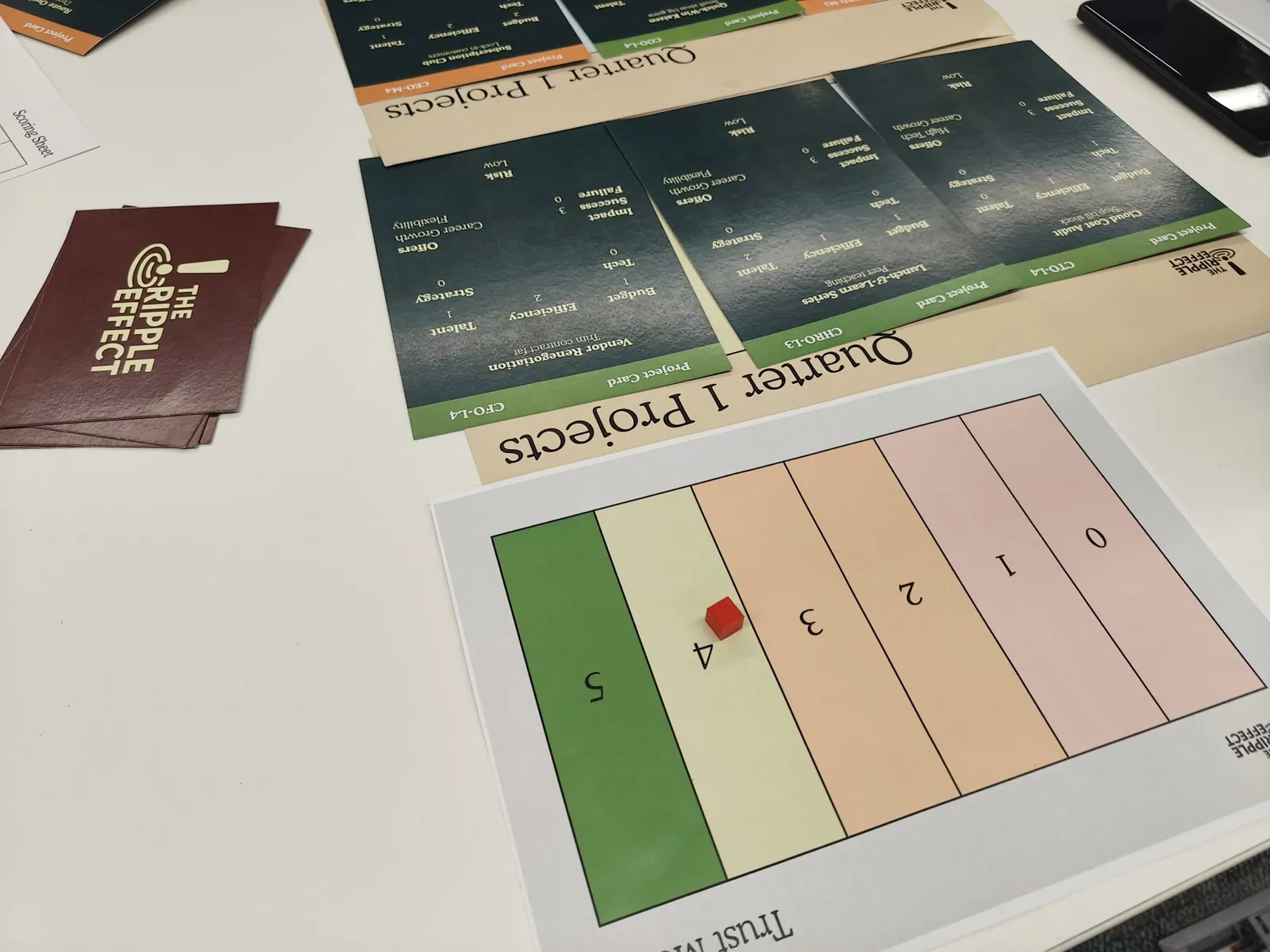
Formats that produce real behaviour rather than organised enthusiasm. Every one of them only works if you debrief it.
- A timed problem under constraint. Give the team a genuine problem, a tight clock, and not enough information. Watch how they organise, who leads, who gets ignored. The pressure is what makes the real pattern show up.
- A decision with no clean answer. Hand them a scenario where every option costs something. You learn how your team handles disagreement and trade-offs, which is most of what management actually is.
- A role reversal. Swap who runs the meeting or owns the call. It exposes assumptions about authority and shows who can step up.
- A facilitated serious game. A designed game that puts collaboration, communication, and decision-making under deliberate strain, run by a facilitator who knows what to watch for and how to debrief it.
The first three are genuinely useful and you can run them yourself. The catch is the debrief. An untrained facilitator lets the team off the hook, or skips it altogether because the clock ran out and lunch is here. That's where a designed game earns its keep. For the fuller menu and how to choose, the guide on team building games for employees walks through what to run and when.
 Why serious games make the behaviour stick
A serious game exists to make one specific behaviour visible, then change it. The debrief does the changing. I use EPPA: Experience, Patterns, Principles, Application. They play, so there's a real shared experience. I surface the patterns, including the ones a team can never see in itself. The patterns get turned into principles, said out loud by them and not by me. Then each principle gets pinned to a specific situation at work. That last step is the bridge nearly every team-building day forgets to build.
The right game depends on the behaviour you want to move. Sticky Fingers is an escape room packed into a card deck. It puts collaboration, communication, and creative problem-solving under real time pressure, and it scales from a small team up to around 150 people, which makes it a strong choice when you want one shared experience across a department. If the problem is more about relationships, trust, and managing stakeholders, Bloom is built to surface how people build and spend relationship capital. For frameworks you can apply between sessions, the leadership guides give managers the language to keep the behaviour conversation going.
How to actually run it as a manager
- Name the behaviour you want to change. Not "morale". Something concrete, like "we avoid disagreeing in meetings" or "decisions stall because nobody owns them."
- Pick an activity that forces that behaviour to show up. Match the game to the problem, not to the calendar.
- Protect the debrief. Block the time and do not let it get cut. The play is the setup; the debrief is the work.
- Leave with agreements, not vibes. Two or three specific things the team will do differently, written down, owned by named people.
- Revisit them. Bring the agreements back into a normal meeting two weeks later. That is how a day out becomes a change.

Frequently asked questions
What makes a team building activity actually work for a manager?
A debrief that ties the activity back to real work. The activity creates behaviour you can see. The debrief turns that behaviour into a principle the team agrees to apply on Monday. Without the debrief you have an event, not a change.
Why does most corporate team building fail?
Most corporate team building optimises for fun, not transfer. People enjoy the day, then return to the same habits because nobody named what happened or connected it to how the team actually operates. Fun without a debrief changes nothing.
Do team building activities have to be in person?
Yes. The social dynamics are the data. Who speaks, who goes quiet, who takes the decision, who blocks. Screens flatten all of that. In person you see leadership behaviour under pressure, which is the whole point.
How long should a team building session be?
Long enough to play and then debrief properly. A serious game plus an EPPA debrief usually runs half a day. The game itself can be short. The change comes from the conversation after it, so never cut the debrief to save time.
Come and talk to me See the games
With love from Bengaluru, this is Arvindh saying over and out.