From Monsters to Market Fit: Put The Player First
From Monsters to Market Fit: Put The Player First
"I found a solution in video games - I call it the Put The Player First Framework."
There was a stretch where my to-do list looked like procedurally generated despair. Endless tasks, half of them icky, most of them beautifully designed to make me feel productive while moving nothing that mattered.
I had been building workshops the way corporate L and D taught me to build workshops. Neat slides. Tidy objectives. Absolutely no impact.
Then I remembered how games actually work. They never ask you for attention. They earn it, by making every single thing you do matter to something.
I Stopped Building Courses And Started Forging Weapons
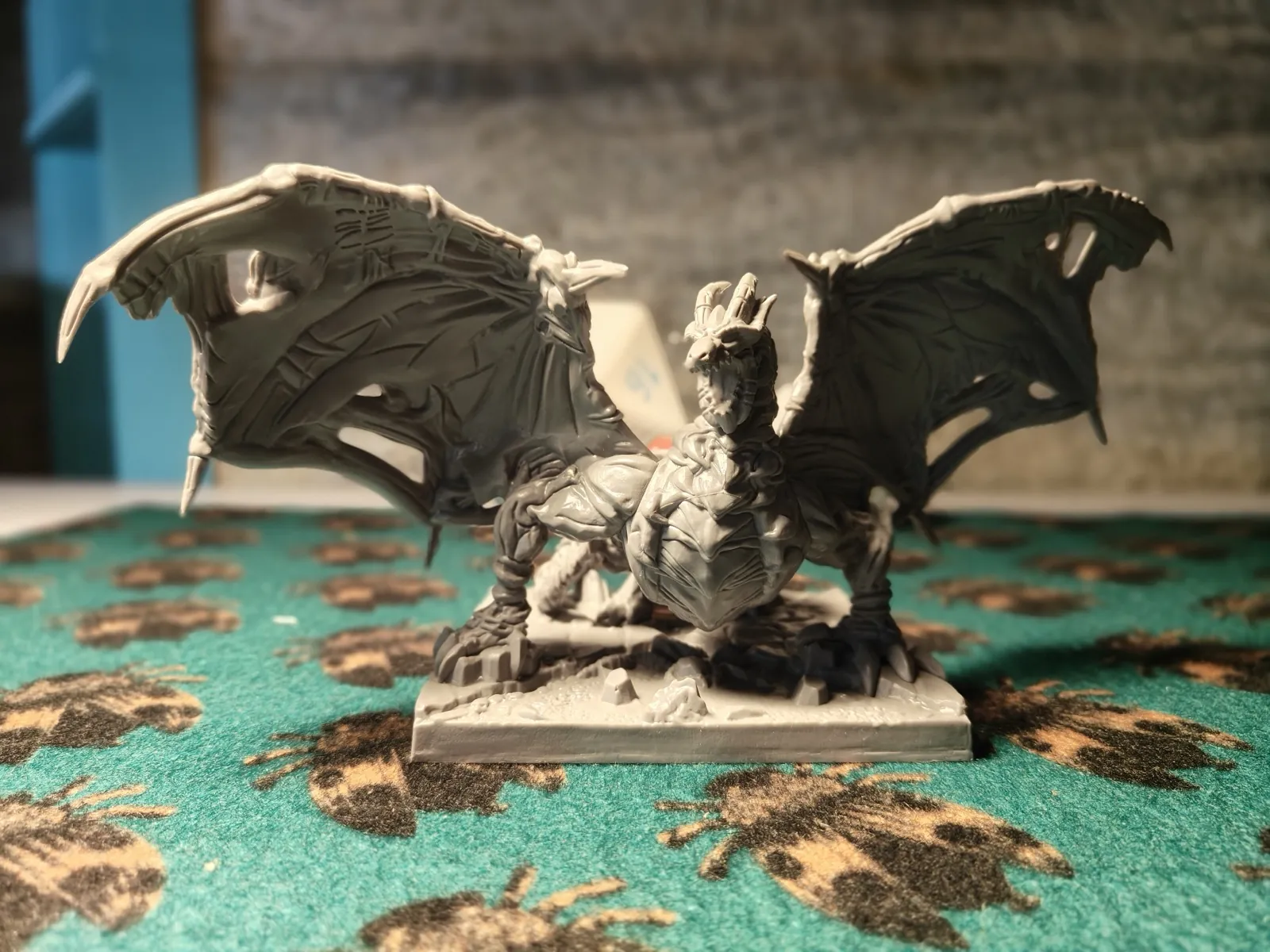
In my world, the customer is the hero and I am the guide. The hero is stuck in a broken world full of monsters - real problems with dented budgets, frayed nerves, and stalled momentum. My job is not to be the star of the story but to hand them a plan and the tools to win. So I prescribe quests, each aimed at one monster, and I forge a weapon precisely for that fight. One monster, one weapon, one step that moves the story forward.
A weapon is not a product. It can be a service, an experience, a mindset, a network. Anything engineered to kill one specific problem.
And when the hero swings it properly, two things land at once. They get loot - revenue, leads, access, an afternoon back. And they level up - confidence, calm, clarity.
That pairing is the whole thing. It is what makes the grind feel like growth instead of admin.
Stop Treating Learners Like NPCs
Most training treats the audience as background scenery. It shovels content at people, congratulates itself on the participation metrics, and leaves every monster in the room completely alive.
Put the player first and the content gets shaped by the fight the hero is actually in. Not by the slide template I happen to be fond of.
It becomes a campaign instead of a curriculum. Every quest has a visible boss. You can feel the momentum, because each win unlocks the next decision rather than the next worksheet.
And your differentiation becomes a weapon rather than a tagline. Every good guide in every good game has one genuine edge and a story that earns trust. Mine goes into the design, then gets turned into quests somebody can finish this week. Not someday.
What comes out the other side is agency, not dependency. People stop asking for more information and start asking for the next quest.
This Is Where Most Workshops Go To Die
Ignore all this and your learning stays beige. You will confuse activity with progress. Content with capability. Applause with adoption.
You will hand your hero a generic weapon, watch it bounce straight off a real monster, and then blame attention spans. Then you will add more slides to fix the problem the slides made.
Meanwhile your learners are quietly grinding their own side quests without you. They always were.
Apply it and your pipeline starts reading like a game log. Bosses beaten. Loot collected. Level ups earned.
You ship smaller, sharper weapons and quietly retire the ones that never pierced anything. You describe progress in plain language, which even your CFO will enjoy.
And best of all, your hero wants to keep playing. Because winning feels better than being managed.
Why Games Earn Attention: The Research
Thomas Malone's 1981 study in Cognitive Science asked what makes educational environments intrinsically motivating. He analysed dozens of games and found three consistent factors: challenge, fantasy, and curiosity. Challenge requires uncertain outcomes - the player does not know if they will win, and that uncertainty is what keeps them engaged. Fantasy places the task inside a scenario with stakes that feel real, not constructed. Curiosity fires when the environment reveals just enough to signal that something consequential is coming.
Every well-designed game hits all three. The challenge is calibrated so winning is possible but not guaranteed. The fantasy gives each action a reason beyond "because the facilitator said so." The curiosity is structural - each decision triggers a consequence that makes the player want to see what happens next.
Standard workshops invert all three. The outcome is predetermined - everyone passes. The scenario is abstract - case study, thought experiment, discussion prompt. The curiosity is extinguished on the first slide when the learning objective tells you exactly where you will end up. None of that is an accident. It is what you get when the real goal is compliance. Games never ask for attention because the design has already earned it. That is the whole difference between a weapon and a worksheet.
TLDR - Before You Overthink It
- You are the guide, not the hero - hand them the quest, not the lecture.
- Design weapons, not worksheets - one monster, one tool, one win.
- Make loot explicit and level ups inevitable - reward the fight.
- If it is not a step, it is a stall - cut everything that does not move the story.
- Stop chasing engagement - engineer victory and engagement follows.
Watch It Play Out, No Grinding Required
If you prefer to see the framework in motion, watch the breakdown here.
With love from Bengaluru, this is Arvindh saying over and out.
See these ideas in action
I run these games for leadership teams across India, and I am in the room for every single one. Come and see.
See the games Write to me