
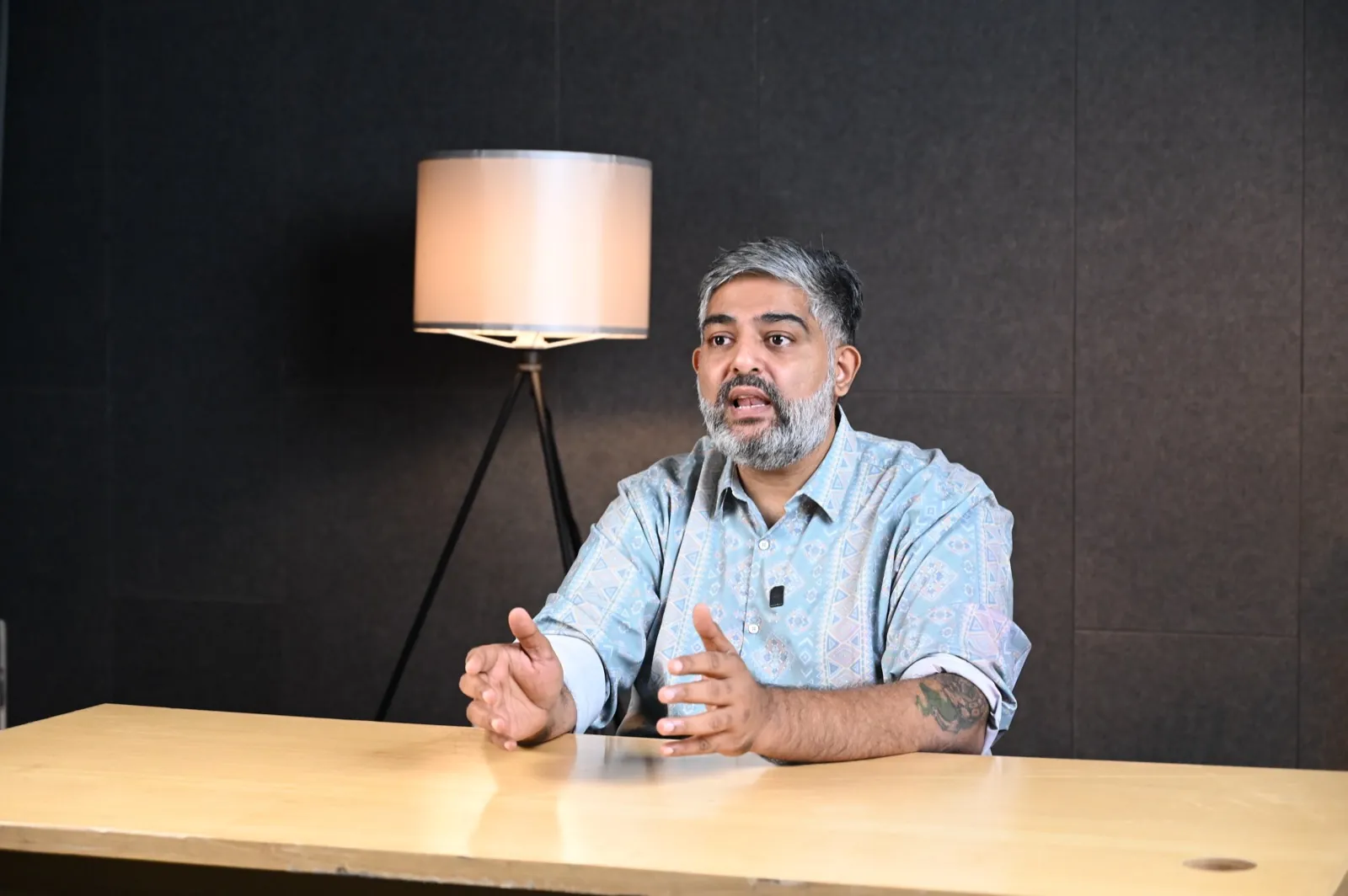
 Why promoting your strongest builder is the riskiest thing you do
Tech companies grow by promoting technical strength. The senior engineer becomes an engineering manager. The sharp PM gets a portfolio. The person who shipped becomes the person responsible for other people shipping. It is a reward, it is well meant, and it is also the fastest way to take your best builder and hand them a job nobody has ever trained them to do.
I see it constantly. The tech lead who can review a gnarly pull request with total clarity will avoid one uncomfortable sentence to a peer for six weeks... and then bring it up in a retro, in a way that helps nobody. That is not a skills gap. That is the small horror of being disliked by people you respect. The environment sharpens it: flat orgs mean authority is soft, priorities move under you, requirements arrive half-formed, and half your team is on a screen. What the job actually demands is agility under ambiguity plus the ability to move a room you do not control. Neither of those has ever been trained from a slide deck, because both are behaviours, not facts you can memorise.
What a serious game surfaces in a tech context
A serious game is a simulation with teeth. A designed scenario, a running clock, other people with their own goals, and a debrief afterwards that names what came out of you. For a tech leadership room, it makes visible:
- Who keeps deciding and adapting when the information is incomplete - and who disappears into analysis until the decision is made for them.
- Who steps up to lead when no title says they should - and who waits to be asked, while knowing the answer the whole time.
- Who builds influence across the room - and who assumes being correct is sufficient, then loses the argument to someone who talked to three people first.
- Who quietly takes the work back and does it themselves instead of leading the people doing it. The single most expensive habit a new tech lead brings with them.
The debrief names those behaviours precisely, so a new leader hears what they actually did rather than what they meant to do. It is the most useful thing you can hand somebody who moved from building to leading eight months ago and has been improvising ever since.
 Which games fit a tech leadership programme
I match the game to the specific gap your leads keep hitting, not to a theme.
- Planetfall - learning agility, ambiguity tolerance, adaptive decision-making. The sharpest fit for leaders who have to act well on information that keeps changing shape. 8-20 people, ~2 hours.
- Sticky Fingers - emergent leadership and collaboration under pressure. Shows you who people follow when the org chart says they are all the same. 12-150 people.
- Welcome to Zombiepuram - influence, coalition-building and political intelligence with no formal authority whatsoever. 15-80 people, ~6 hours.
- Chaos in the Kitchen - senior decision-making when the conditions refuse to sit still. For director and VP cohorts. 15-50 people.
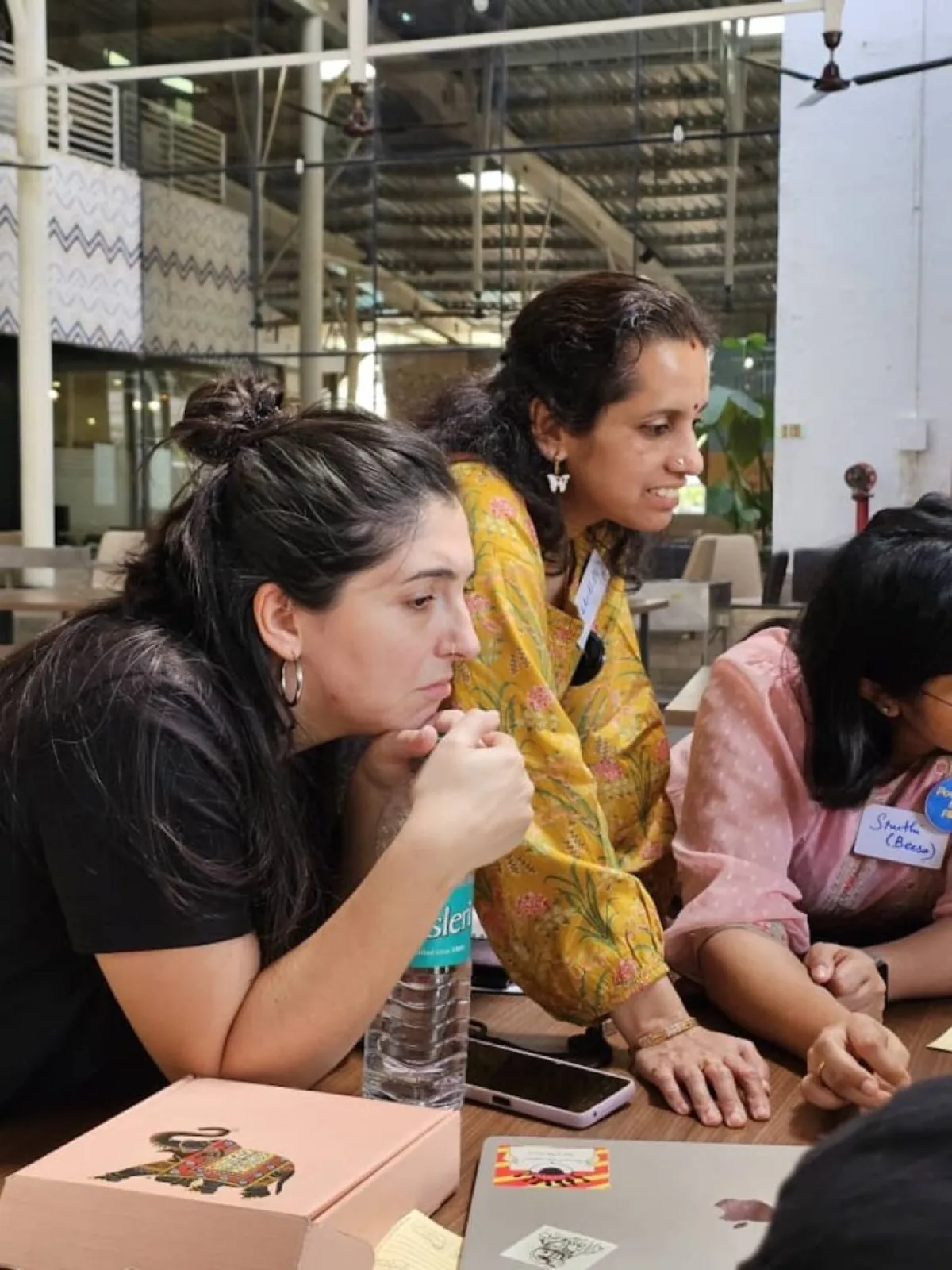
Why I run every session myself
Tech leaders have a very low tolerance for training theatre and an excellent eye for anything generic. You know the audience. The reason this one works is that the person who designed the game is the person running it. I watch your leads play, then debrief the specific behaviour I saw. Not a scripted lesson, not a report from an associate. Engineers respect a debrief grounded in what actually happened, because evidence over opinion is the exact standard they hold their own work to. Turn up with a slide about leadership styles and you will lose the room in four minutes.
 Proof
Proof
I have run these programmes out of Bengaluru for a Fortune 500 technology company, a leading HR-tech platform and a Fortune 100 company. For the Fortune 500 technology company it was Innovation in Practice, run online. The Fortune 100 company's leadership and trust batches scored between 7.9 and 9.0/10 satisfaction. At the HR-tech platform, all 13 participants agreed they understood the learning objectives. And that Fortune 100 client came back and commissioned a second, different programme. That last bit matters to me more than the scores do.
What you get
- A discovery call and a written brief before we start, calibrated to your leadership level and team structure
- The game itself, half-day or full-day, run by me, the person who designed it
- An EPPA debrief, built to make behaviour visible and then say it out loud
- A written behaviour summary afterwards, ready to hand to a CHRO or leadership team
- A committed action plan from every single person in the room
And a promise. If the session doesn't surface at least three named leadership behaviour patterns worth changing, I redesign the next one at no cost. Nobody should pay for a session that showed them nothing.
What it costs
A day in the room runs between ₹60,000 and ₹1,00,000, plus taxes as applicable.
Half a day is half of that. So ₹30,000 to ₹50,000, plus taxes as applicable, on the same terms.
Both of those are ranges rather than a price list, and I do mean that. A short session with a lot built into it can land above a longer one with very little, so the clock is only part of it.
I put the range here because you should not have to sit through a call just to find out whether we are in the same ballpark. If that number is nowhere near your budget, you have saved yourself a fortnight and I would still rather you wrote to me and said so.
Where you land inside either of them comes down to five things, and none of them are a mystery:
- How long we are in the room. Half a day with one game and its debrief is one thing. A two-day programme is another.
- How many people are in the room, and how senior they are. Fifteen managers and sixty leaders are not the same day's work.
- How much I build from scratch. Running a game I already own costs less than designing your world, your constraints and your data into a new one.
- Whether I am leaving Bengaluru. Travel and stay are quoted separately, up front, so nothing appears on the invoice we did not talk about first.
- Whether it is one session or a series. Four batches of the same programme do not cost four times a single batch, because the design is built once.
A bespoke senior day, built from nothing, in another city, sits at the top of the band. A game I already run, one batch, here in Bengaluru, sits at the bottom. Most work lands somewhere in the middle, and I will tell you which end you are at in the first conversation rather than the third.
One honest thing about the calendar while we are being straight with each other. I take two or three engagements a month, mostly because I run every one of them myself, so dates go three or four weeks out. I would rather say that now than when you already have a date in mind.
Tell me roughly what you are trying to fix and you will have a real number, not a range, within a day of us speaking.

Frequently asked questions
Why do tech companies need serious games for leadership?
Because tech promotes strong engineers and product people into leadership very fast, and then drops them into flat, ambiguous, fast-changing teams where authority is soft and everything runs on influence. A framework deck does not prepare anybody for that. A serious game is a live simulation of the ambiguity: it lets them act, it makes their real instincts visible in front of the room, and only then does anyone have something they can actually change.
Which serious game fits a tech leadership cohort?
Planetfall for learning agility and deciding under ambiguity, which is the whole job. Sticky Fingers for emergent leadership in flat teams, where the org chart tells you nothing about who people follow. Welcome to Zombiepuram for influence without authority. In the pre-session brief I match the game to the specific gap your leads keep hitting.
Can this scale to a large engineering org?
Yes. Sticky Fingers runs up to 150 people and Welcome to Zombiepuram up to 80, so a whole engineering-manager or tech-lead cohort can go through together and come out with the same shared reference. Smaller senior groups run Planetfall or Chaos in the Kitchen. Every session is in person and run by me, the person who designed the game.
Related
- Serious games for leadership development in India
- Serious games for GCC leadership development
- Decision-making under uncertainty
With love from Bengaluru, this is Arvindh saying over and out.